This post was authored by Omsharf Mohamed Ali, who completed an internship with SIC in 2026.
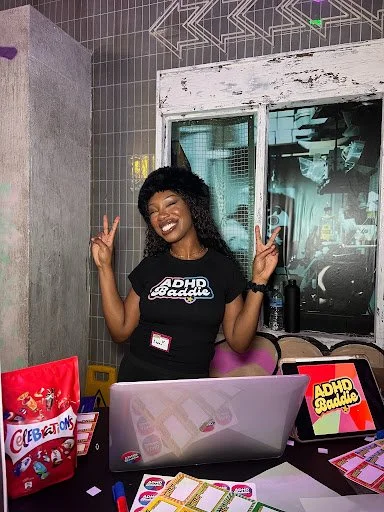
For Kay, founder of ADHD Baddies, creating a more inclusive world for neurodivergent people starts with a simple idea: people shouldn’t have to change who they are to belong.
ADHD Baddies is a community that supports and connects adults with ADHD, with a particular focus on women from global majority backgrounds. Born out of Kay’s own experiences of navigating diagnosis, burnout and a lack of representation, the community aims to give people access to information, understanding and a space where they can feel seen.
Kay was diagnosed with dyslexia at 15, but her ADHD went unrecognised for much longer. As she began to explore her neurodivergence as an adult, she found herself looking for support and information that reflected her experiences as a Black woman. Instead, she encountered a familiar gap: much of the research and understanding around ADHD had historically centred on white boys and men, leaving many women, particularly Black women, feeling overlooked.
Her own journey to diagnosis only reinforced that feeling. After struggling with burnout and finding it difficult to access the support she needed, Kay sought a private ADHD assessment. Despite the high cost, she came away feeling that her experience had not been properly understood. Even her medical records contained inaccuracies.
The experience highlighted for her how easily Black women can be overlooked within healthcare, even when they actively seek out and pay for support.
When she later tried to access ADHD medication through the NHS, she was told she would need to return to the waiting list. It was frustrating, but it also sparked an idea.
“I have all this information now. How can I not share this?”
Rather than keep that knowledge to herself, Kay wanted to make it accessible to others navigating similar experiences. ADHD Baddies grew from that desire: to create a space where neurodivergent adults could learn, connect and share experiences without feeling misunderstood or having to explain themselves.
For Kay, inclusion is about more than simply making space for neurodivergent people. It means giving them the opportunity to shape and lead those spaces, too. Her message to the community is simple: “Come as you are.”
Rethinking what work looks like
That same philosophy shapes how Kemi approaches work.
Before understanding her ADHD, she often found traditional employment difficult to navigate. Faced with expectations around how people should behave, communicate and perform at work, she found herself comparing her experiences with those of her colleagues and trying to fit in.
Over time, that pressure became a source of shame. Rather than recognising she might need a different approach, she tried to work the way she saw everyone else working.
Understanding her neurodivergence helped her see things differently. As Kemi explains, she now understands “that I’m different, and that I need to do things differently.”
Self-employment has given her greater freedom to put that understanding into practice. Instead of forcing herself into a rigid nine-to-five routine, she can build her workday around her energy levels, take breaks when she needs them, and create systems that work for her.
That might mean waking up without an alarm, using the Structured app to organise her tasks, or drawing on AI tools to help manage everyday admin. From organising her to-do list to drafting emails, these systems help reduce the mental load and make work feel more manageable.
It’s not about doing less or lacking structure. It’s about finding a structure that fits.
Kay also recognises that ADHD can bring strengths, particularly when she is working on something she feels passionate about. Managing multiple tasks and juggling projects can play to her strengths, showing that neurodivergence can shape how someone works without defining the limits of what they can achieve.
For her, the bigger question is why workplaces so often expect everyone to work in the same way in the first place.
Burnout is more than being tired
Flexibility matters for another reason: burnout.
During our conversation, Kay said burnout can affect almost every aspect of daily life. People often talk about it as though it simply means feeling tired or needing a few days off. But for someone experiencing neurodivergent burnout, even everyday tasks can become significantly harder.
Kay described the impact on executive functioning and the difficulty of simply being able to “show up in the world”.
It’s a reminder that supporting neurodivergent people at work requires more than helping them get through the door. It means recognising what happens after they arrive, too.
As Kay puts it, “Looking for work is one thing, but staying in that job? Something else!”
For Kay, getting people to stay in work means moving away from unnecessary urgency and micromanagement towards clear instructions, trust and flexibility. Give people clarity about what needs to be done, provide the support they need, and allow them some freedom in how they get there.
It also means recognising that sustainable working will not look the same for everyone.
Is self-employment the answer?
For Kay, working for herself has offered an alternative to some of the pressures she experienced in traditional employment. But she is clear that self-employment is not a straightforward solution for everyone.
Running your own business brings its own challenges, from managing competing demands to navigating systems that can be difficult to access. Even the administrative side of self-employment can create barriers, particularly when processes and services are not designed with neurodivergent people in mind.
The answer, then, cannot simply be to encourage neurodivergent people to leave traditional employment and work for themselves. Workplaces need to change, too.
Kay believes that genuine flexibility, greater understanding and a willingness to challenge established ways of working could make a meaningful difference. Rather than expecting people to fit a predetermined mould, employers can create environments that recognise and support different working styles.
That change also needs to involve neurodivergent people themselves. Inclusive workplaces cannot be built around assumptions about what people need; they should be shaped by the people who experience those barriers firsthand.
Building a different kind of future
Through ADHD Baddies, Kay is already helping to create the kind of community she struggled to find herself. Through coaching and mentoring, she hears from people navigating many of the same challenges, with burnout and difficulties around sustainable work recurring in those conversations.
Looking ahead, she hopes to see ADHD Baddies grow, with greater funding and opportunities to reach more people. There is also potential for collaboration with SIC through workshops, coaching, careers events and sharing resources with their respective networks.
The shared goal is to make support more accessible and help create a world in which neurodivergent people can find work that works for them.
And what would Kay say to someone who feels that traditional working life was never designed with them in mind?
She wouldn’t tell them to keep trying to fit in. Instead, she encourages people to imagine something different: a working life and a world that better reflects their needs.
The systems we have may not have been built with everyone in mind, but that doesn't mean they cannot change. Some workplaces support, value, and support neurodivergent people. The challenge is to find them, learn from them and make that experience less of an exception.
For Kay, that work starts with creating spaces where people can show up as themselves — and helping them build a future in which they no longer have to leave parts of themselves at the door.